Travel Information

About Ningbo 

Ningbo is a historic port city and modern economic powerhouse located on the eastern coast of China, in the Zhejiang Province. With a history spanning over 8,000 years, Ningbo is one of the oldest continuously inhabited cities in China and a cradle of Chinese civilization. Today, it is a major international port, a key manufacturing hub, and a vibrant center of innovation and education in the Yangtze River Delta region.

The city beautifully blends ancient traditions with cutting-edge modernity. From its well-preserved ancient canals and historic drum towers to its bustling central business district and world-class universities, Ningbo offers visitors a captivating journey through time. As a major player in China's Belt and Road Initiative and one of the country's top 15 cities by GDP, Ningbo welcomes international visitors with warm hospitality and world-class infrastructure.


Travel Guide 

Weather Information

November in Ningbo is typically cool and pleasant, making it an excellent time to visit. Temperatures generally range from 12 °C to 18 °C (54 °F to 64 °F), with moderate humidity. Rainfall is relatively low during this period, though occasional light rain showers are possible.
We recommend bringing light layers, a warm jacket for evenings, and comfortable walking shoes. An umbrella or raincoat can be useful for unexpected rain. Sunscreen is still recommended during daytime hours as autumn sun can be surprisingly strong.

Language

The official language of China is Mandarin Chinese. English is increasingly spoken in major cities, hotels, and tourist attractions, especially by younger generations. It's helpful to learn a few basic Mandarin phrases, and translation apps can be very useful during your stay.


Currency

The currency in China is the Chinese Yuan (CNY), also known as RMB. Credit cards are accepted at most hotels, department stores, and larger restaurants. Mobile payment platforms like WeChat Pay and Alipay are the most popular payment methods — international visitors can link their credit cards to these apps. It's recommended to carry some cash for local markets and small vendors.


Transportation 

By Air

Ningbo Lishe International Airport (NGB)
Ningbo's primary international airport connects the city to destinations across Asia and beyond. As of late 2026, nonstop international and regional services include Hong Kong, Macau, Taipei, Kaohsiung, Seoul, Jeju, Tokyo, Bangkok, Phuket, Singapore, Nha Trang, Manado and Budapest (routes change by season, so please check with airlines). The airport is about 15 km from the city center and is on Metro Line 2.

Shanghai Hongqiao International Airport (SHA)
Located approximately 180 km north of Ningbo, Shanghai Hongqiao offers even more international connections. A high-speed train from Hongqiao to Ningbo takes about 2 hours.

Shanghai Pudong International Airport (PVG)
About 250 km from Ningbo, Pudong is Shanghai's main international airport. The journey to Ningbo takes about 3 hours by high-speed rail.

High-Speed Rail

China's high-speed rail network is the world's largest and most advanced. Ningbo is well connected with frequent high-speed trains:
• To Shanghai: ~1.5 hours, frequent departures
• To Hangzhou: ~1 hour, very frequent
• To Beijing: ~5.5 hours
• To Nanjing: ~2.5 hours
Tickets can be purchased online via 12306.cn or at railway stations. Foreign visitors can use passports for ticket purchase.

City Transportation

Ningbo Metro
Ningbo's metro network covers most of the city. Fares start from 2 CNY per trip, and English signage and ticket machines are available. Ningbo University is served directly by Line 2 (Ningbo University Station), which also connects Lishe International Airport, Ningbo Railway Station and the Drum Tower downtown area.

Bus
An extensive network of public buses covers the entire city. Fares are typically 2 CNY.

Taxi and Ride-hailing
Didi (China's Uber equivalent) is the most convenient way to get around. Local taxis are also plentiful and inexpensive.

Note: Schedules, fares and routes may change. Please check official sources (airlines, 12306.cn, Ningbo Metro) before you travel.


Tourist Attractions 

Tianyi Pavilion (天一阁)

Tianyi Pavilion, founded in 1561 by Ming official Fan Qin, is China's oldest surviving private library and one of the three oldest family libraries in the world. Located beside Moon Lake in Ningbo's old town, it is a National Key Cultural Relic Protection Unit, a national first-class museum and a 5A-rated scenic area, holding nearly 300,000 volumes including some 80,000 rare editions. The complex features elegant Jiangnan-style gardens, a pond and traditional halls. It's a must-visit destination for anyone interested in Chinese history and culture.
Dongqian Lake (东钱湖)

Dongqian Lake, often called Ningbo's "West Lake," is a scenic freshwater lake located about 15 km southeast of the city center. Spanning 20 square kilometers, it's surrounded by rolling hills, ancient temples, and traditional villages. Popular activities include cycling along the lakeside, visiting the Buddhist temple on Xiaoyu Island, and enjoying local seafood at waterside restaurants.
Laowaitan (Old Bund)

Ningbo's Old Bund is a historic waterfront area that blends colonial-era architecture with trendy modern establishments. Once one of China's major treaty ports, it now features boutique shops, art galleries, cafes, and restaurants housed in beautifully restored late 19th-century buildings. It's a perfect place for an evening stroll along the river with stunning sunset views.
Qiantong Ancient Town (前童古镇)

Qiantong Ancient Town, in Ninghai County about 75 km south of Ningbo, is a Chinese Historic and Cultural Town and a national 4A-rated scenic area. Founded in the Southern Song dynasty (1288) and flourishing in the Ming and Qing, it preserves one of the largest and best-preserved groups of Ming-Qing dwellings in eastern Zhejiang — around 1,300 old houses and 157 courtyards. Streams of its "bagua" water system run past every doorstep, giving the town its famous cobbled lanes, white walls and dark tiles. Qiantong is also known for its tofu (the "three treasures of Qiantong") and its Lantern Festival parade, a national intangible cultural heritage. A rewarding half- or full-day trip from Ningbo.
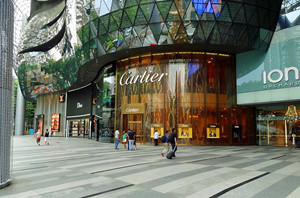
Ningbo Museum (宁波博物馆)

Designed by the world-renowned architect Wang Shu (Pritzker Prize winner), the Ningbo Museum is a masterpiece of contemporary architecture that creatively incorporates traditional building materials. The museum showcases Ningbo's 8,000-year history, including its role as a key maritime Silk Road port. Admission is free, making it an excellent cultural stop.
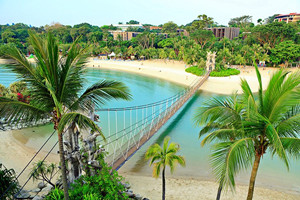
Baoguo Temple (保国寺)

Baoguo Temple is located on Lingshan Hill in Hongtang, Jiangbei District, about 15 km north of downtown Ningbo. First built in the Eastern Han Dynasty (25-220 AD) and rebuilt in the Tang, it is now a museum of ancient Chinese architecture. Its Main Hall, rebuilt in 1013 during the Northern Song Dynasty, is one of the oldest and best-preserved wooden structures in Jiangnan. Listed in 1961 as one of China's first National Key Cultural Relics, the temple is set in wooded hills and makes a quiet half-day trip.
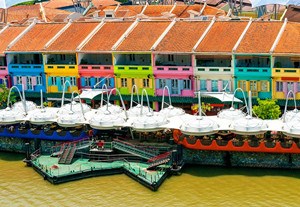
Gulou Pedestrian Street & Drum Tower (鼓楼步行街·鼓楼)

Ningbo's Drum Tower (Gulou) was first built in the Tang dynasty as the south gate of the ancient sub-city and has more than 1,100 years of history; it remains the city's best-known landmark. Around it, the Gulou Pedestrian Street (Park Road area) is a Ming- and Qing-style shopping quarter with local snack shops, tea houses and craft stores, while the nearby Yongfeng Warehouse site is a National Key Cultural Relic. Together they form the Drum Tower–Park Road historic conservation area — an easy evening stroll in the old town.

Note: Opening hours, ticket prices and closing days may change. Please check official information before visiting.


Copyright © International Conference on Power Electronics Systems and Applications (PESA)/p>